


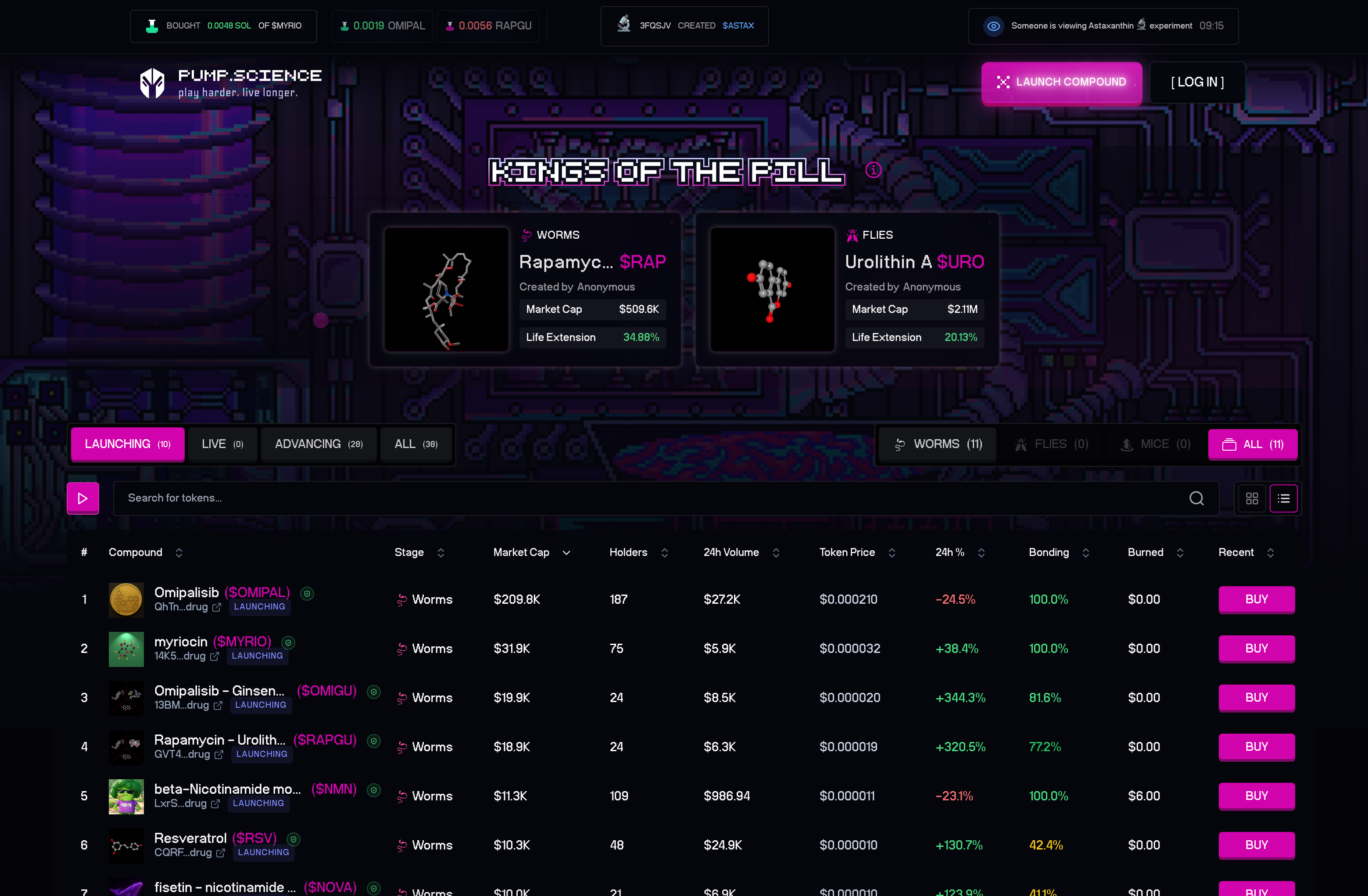
Solana product system
Gamified longevity research platform
pump.science
Application delivery across research funding, live experiment workflows, and community participation.
View projectSolana & AI engineering studio
Builderz builds wallet integrations, on-chain programs in Rust and Anchor, and AI agents that connect to your tools. Start with a written scope and build estimate.


 Solana Kit





Independent reviews of the pump.science Solana contracts.
 CertiK Skynet security monitoring
Ship a wallet-connected dApp, build an on-chain program, or prepare an existing Solana product for mainnet.
dApps and wallet flows · Rust and Anchor · Mainnet handoffConnect agents to the tools your team already uses. Test them on real workflows and set approval points for actions that need human review.
Tool integrations · Workflow evaluations · Human approvalsYou know what we’re building, what’s ready for review, and what your team will own after launch.
We review your product, code, and integrations. You get a scope, an estimate, and clear criteria for accepting the build.
Written scope and estimate
Try each build and review the test results before signing off. If the scope changes, we agree on what it means for cost and timing.
Working software and test results
We rehearse rollout and recovery with you. Your team gets the steps to deploy, monitor, and operate the release.
Release checklist and runbook
Before you start
Answers about scope, budget, who decides, and what a completed milestone looks like.
Founded by Nyk and Kulture, Builderz is now continued by Nyk and the current Builderz team.
Builderz focuses on technically constrained Solana applications, infrastructure integrations, operational AI agent systems, and reliability work. Engagements start with architecture, integration risk, acceptance criteria, and operating ownership rather than a broad feature list.
Builderz has three entry points: an architecture and delivery sprint for $5K-$8K, a production build for $10K-$40K, and a reliability and rescue sprint for $5K-$15K. Final scope and price are confirmed after qualification.
Yes. Six packaged entry points sit inside the three offers: a Solana program pre-audit review, a Solana program rescue and upgrade, a stablecoin payments or Token-2022 launch, an agent workflow pilot sprint, an MCP server and tool integration build, and an agent reliability and cost review. Each one is one of the three offers with the scope written in advance, priced inside that offer's band, and listed on builderz.dev/services.
The sprint produces a scoped problem statement, architecture, integration map, risk register, acceptance criteria, technical plan, and build estimate. It is designed for teams that need decision-grade clarity before funding implementation. The sprint fee is credited in full toward a production build that starts within 90 days.
A production build can cover a Solana application, infrastructure integration, operational AI agent system, or product engineering scope. The proposal defines milestones, owner, acceptance criteria, exclusions, payment schedule, and change control. Larger scopes are quoted after an architecture sprint, with milestones and written acceptance criteria.
Use it when an existing system has recurring failures, missing tests or observability, delivery drift, or a blocked launch. Builderz reproduces the failure, maps the risk, and stabilizes the highest-priority paths.
Send a short project brief, or book a 20-minute call to talk through the work.
What to expect
Scope in writing
What is included, excluded, tested, and estimated
Milestones you can test
Each release has agreed work and acceptance criteria
Launch and handoff
Deployment, monitoring, and the next operator steps are documented
Historical builds for pump.science, Superteam Community Launchpad, and Reavers across research, community events, and games.
View Solana workClient stories
“Considering the challenging timelines, the results achieved by the team are commendable. Special thanks to Nyk and Kulture for their exceptional dedication and skill in navigating through uncertainty to deliver on our project. Their hard work and commitment were instrumental in our success.”
Solana product system
pump.science
Application delivery across research funding, live experiment workflows, and community participation.
View project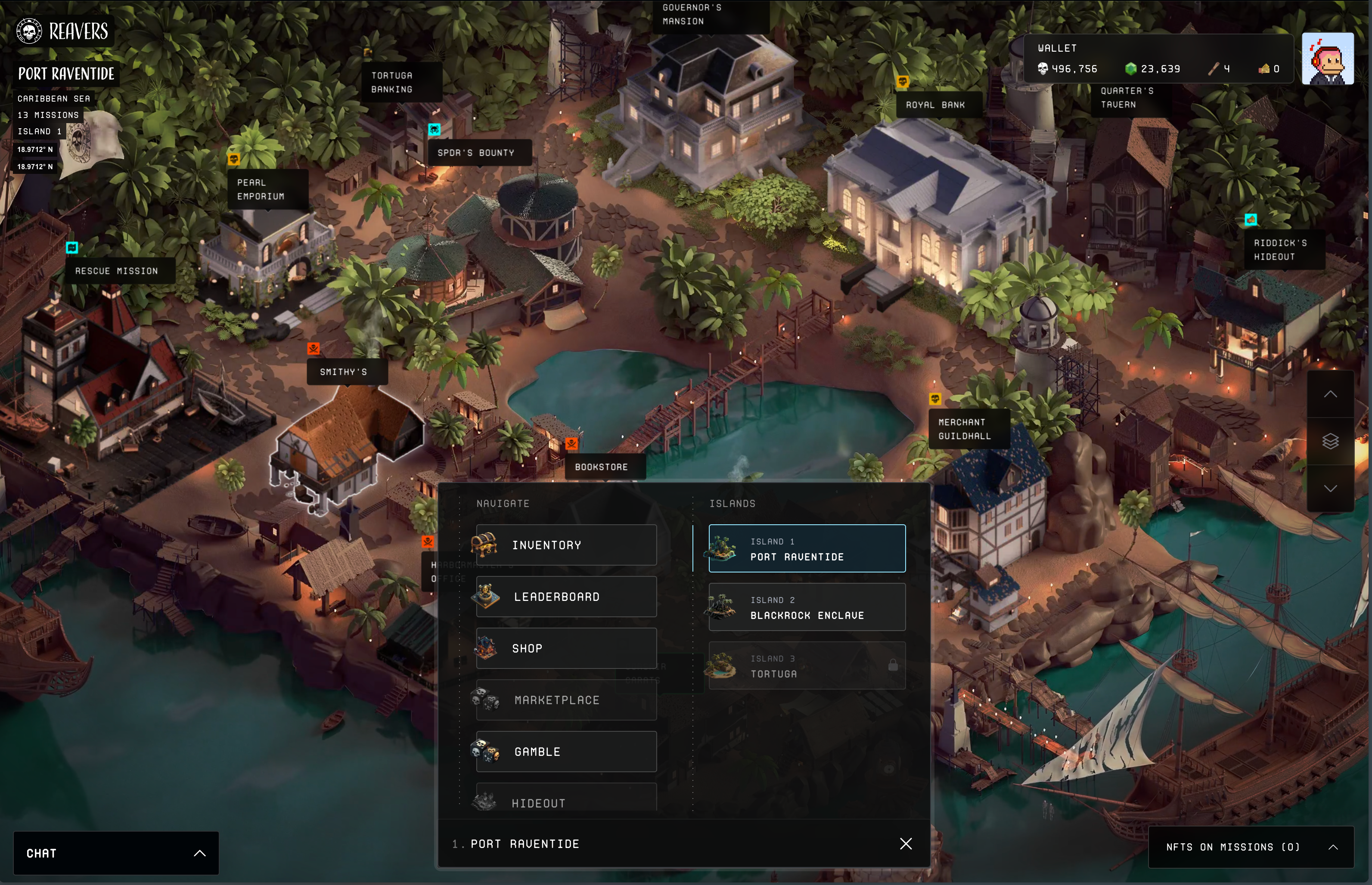
Solana game delivery
Reavers
A Solana-connected browser game with a navigable mission world, inventory, marketplace flows, and player activity.
View project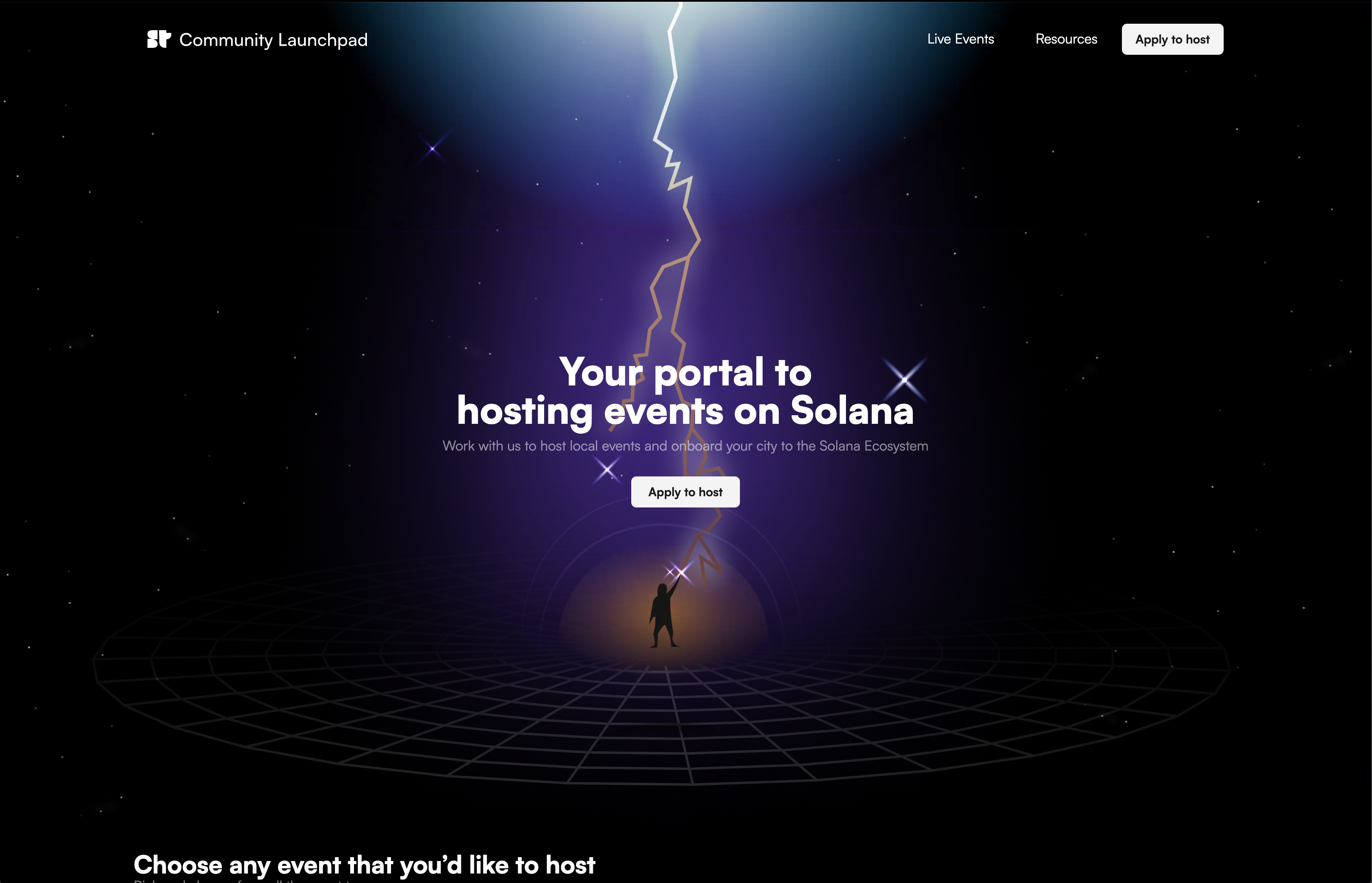
Product delivery
Superteam
A platform for Superteam community members to host local Solana events.
View project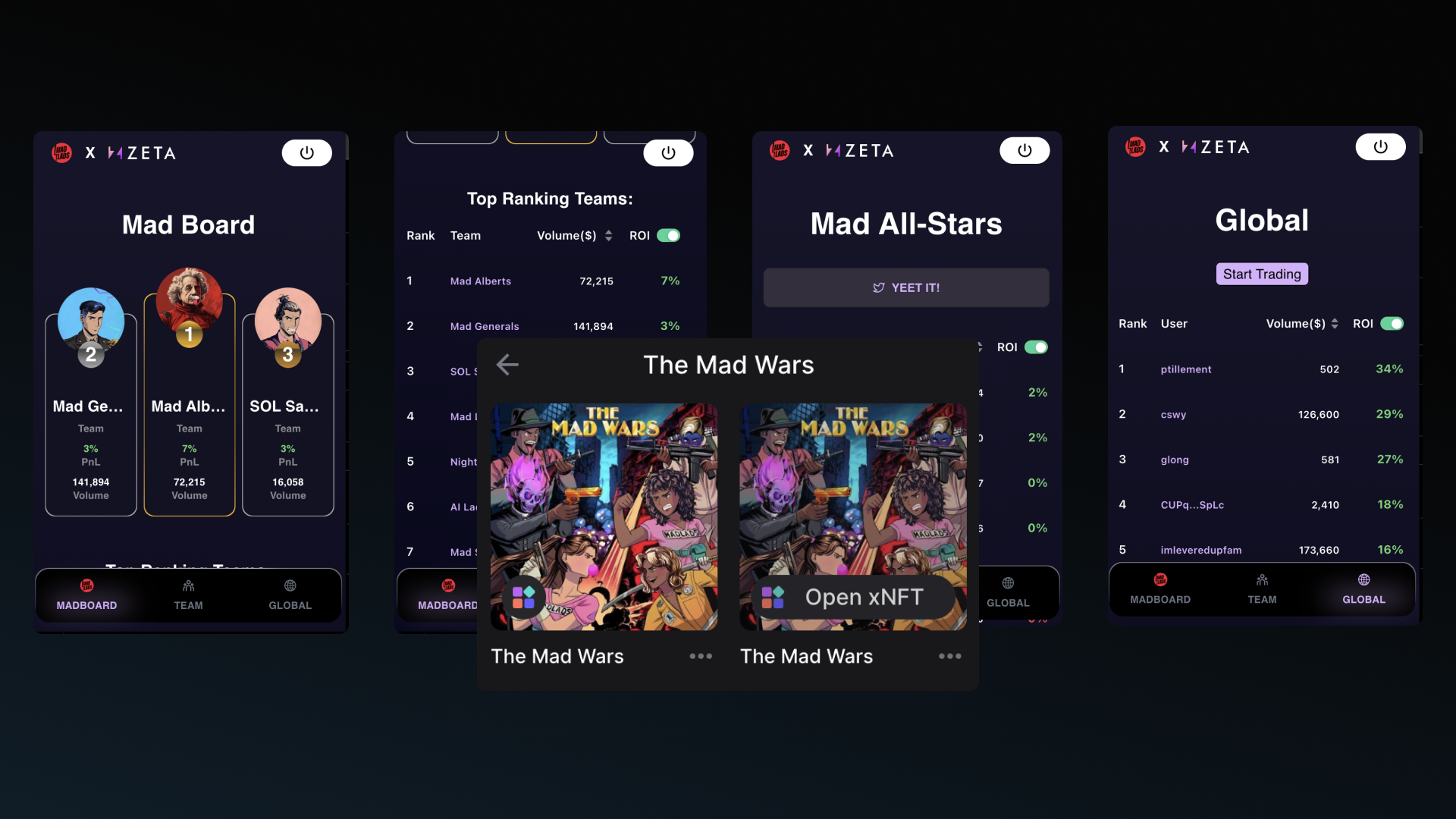
Gaming
Zeta Markets
A leaderboard xNFT for Zeta Markets' Mad Wars trading competition.
View project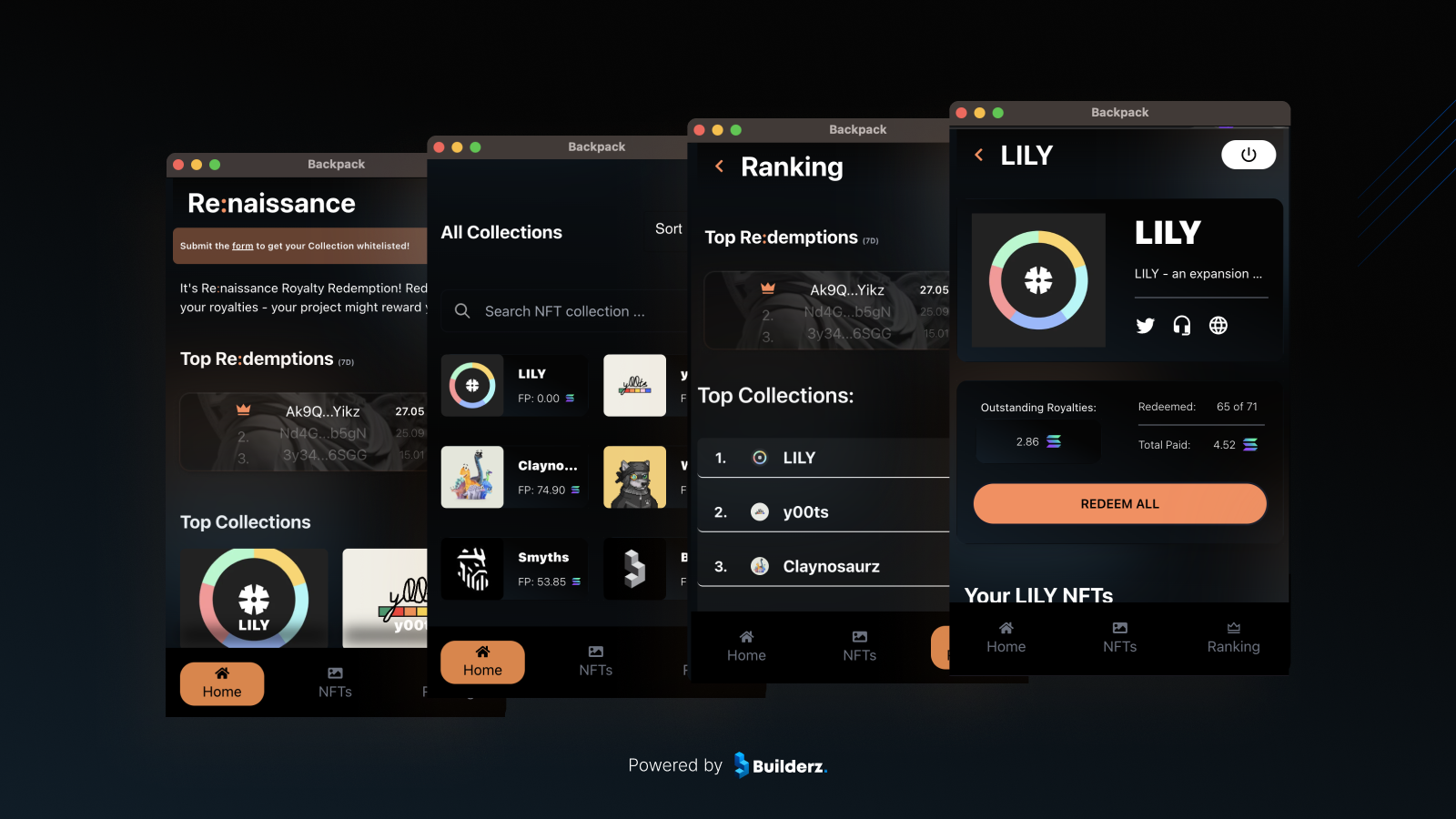
NFTs
Builderz
Easy-to-use royalty Solution for communities on the Solana Blockchain.
View project
Blockchain
Seatrees
SeaTrees is a carbon credit transparency platform built on Solana that enables donors to track their environmental impact from mangrove restoration…
View projectSee how we made technical decisions on Solana and AI projects, from the initial constraints to what shipped.
pump.science
How Builderz built Solana workflows for research funding, experiment updates, and participant rewards.
Renaissance
How the Grizzlython project handled creator royalties and made payments easier to trace.
SeaTrees
A Solana minting API and an impact dashboard for SeaTrees donors.
Hermes
How Hermes helps teams with content, outreach, lead qualification, and CRM updates.
Open source
Mission Control, a Solana dApp scaffold, and selected 0xNyk tools.
Featured project
Self-hosted control plane for AI agents: dispatch tasks, review runs, track spend, and operate OpenClaw, Claude Code, Codex, and other runtimes.
Solana dApp starter with Next.js, React, TypeScript, Tailwind CSS v4 and shadcn/ui. Connect Wallet Standard wallets with Solana Kit and start on devnet.
Published by 0xNyk
Local-first policy, evidence, memory, and recovery controls for Claude, Codex, Hermes, and other CLI coding agents.
Published by 0xNyk
Structured multi-perspective deliberation for hard decisions. Run full councils, focused triads, or duo debates across Claude Code, Codex, Gemini CLI, and OpenCode.


